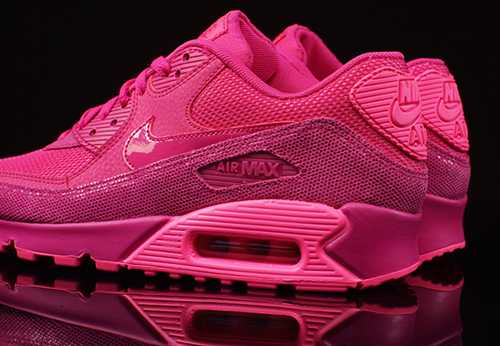
The Best Running Shoe for Your Style
1. Reebok REALFLEX: I have got to hand it to Reebok, the ReelFlex is
ingenious. The designers combined a natural, almost barefoot feeling
with optimal protection. This
shoe has 70-plus massagers that
thicken the shoe's sole, allowing your foot to properly react as it
strikes the ground. RealFlex is the perfect shoe for runners who
want protection but still are looking for the natural feeling of barefoot running.
My two cents: Made for the minimalist who desires a little bit of protection.
2.Nike Free Run : This shoe is all about flexibility
—you
can even roll it completely into a ball. Light and perfect for
gym-goers or business travelers, it makes you feel as though you have
nothing on your feet and is
great for people who prefer to run
sockless. That said, I would not recommend this shoe during the winter
months. One problem I have encountered is having to remove
the
little stones that became wedged between the flex lines of the sole,
which can make the transfer from trail to pavement uncomfortable.
My two cents: Perfect for sockless runners.
3.
Skechers Go Run: At first thought you might ask: Skechers makes running
shoes? But it seems they have run themselves right into the race as a
performance brand. I
was initially a bit skeptical about the Go
Run, as there is a great deal of thickness under the arch of the foot.
However, as soon as I began to run, the overdeveloped
mid-sole
prevented me from hitting the ground with a hard heel strike.
Surprisingly this more-cushioned shoe’s flexibility and weightless feel
parallel that of Reebok
and Nike.
My two cents: Run around the
store when you try these shoes; simply placing them on your feet can
make for an awkward experience. These puppies are meant to be run in.
4.
Altra Zero Drop: This sneaker provides much more room than most running
shoes that tend to be narrow in the front. It was nice to finally put
on a sneak that I
could wiggle my little guys around in. However,
all this room may not be a plus for all fans of minimalist shoes or
someone who prefers a secure fit. Like the
Skechers, take these
shoes for a jog around the store before you make a decision. The Zero
Drop offers little in terms of flexion, making for a stiffer run than
the
Nikes or Reeboks. But what it lacks in flexion, it makes up for in performance.
My two cents: This shoe is great for the more advance runner.
5.
K-Swiss Blade-Light Run: If you are looking for a secure, lightweight
running sneaker that is really going to connect your foot to your shoe,
the K-Swiss Blade-
Light Run is the right for you. Because of the
snug fit, your foot and shoe move as one solid unit, which prevents
rubbing and irritation. The Blade-Light Run does
tend to collect pebbles and breakdown quickly, so it’s best suited for use on flat surfaces such as pavement.
My two cents: This is the ideal shoe for those who are prone to blisters.
As soon as it hit the market in 2012, it was clear that Nike’s
Flyknit technology was a complete game changer. Offering a highly
breathable feel with plenty of
support, Flyknit took the
minimalist concept to new heights. Composed of soft, pliable yarns and
fibers that are strategically placed for structure, Nike Flyknit was a popular option for running and
training
shoes in 2012 and 2013. Now, it’s made its way to the basketball courts
in the form of the Kobe 9 Elite, a model which sits atop many of the
year’s most
anticipated sneaker lists.
As great and
innovative as Flyknit is, the lightweight, sock-like construction also
means that it’s more delicate and susceptible to damage. When you’re
cleaning
your Flyknit sneakers, it’s important to take care of
them with the proper method so that you don’t damage the fragile yarns.
In just three easy steps, here’s How
to Clean Nike Flyknit .

- How to Clean Nike Flyknits
No. 1 – Soap and Water
The most essential thing you’ll need when cleaning your Flyknits is
cold water and a mild soap. Cleansers such as Jergens Mild or Purpose
soap are ideal as they don’
t contain chemicals that could
potentially damage the dyes or yarns. Never use bleach or harsh cleaning
solutions such as laundry detergent, and make sure the water is
cold. Warm or hot water can also ruin the dye and Flyknit material.

- How to Clean Nike Flyknits
No. 2 – Soft Brush or Cloth
Next up on the list is a soft brush or cloth. Again, you don’t want to
use anything too tough or stiff that will tear the Flyknit yarn. Simply
mix your water and
soap, then you’ll use the soft cloth to scrub away any dirt or stains. Micro-fiber cloths make for a suitable choice.

- How to Clean Nike Flyknits
No. 3 – Slow and Steady
Remember, Flyknit material is fragile by nature. One pull or yank the
wrong way and the entire shoe could begin to unravel. Clean your
Flyknits with care, taking your
time to gently scrub the dirty
areas without much pressure. Then, allow them to air dry, never use a
washing machine or dryer to clean your Flyknits.
After Impressive 2014, Can Nike Keep Up With Trends in Footwear?
As thoughts turn to working off the festive excesses in January, a new pair of nike running shoes
is at the top of many shopping lists. But, as new thinking about
footwear gathers pace, are the famous swoosh and the other established
brands still the first choices
for runners?
Nike & the Rise of the Modern Running Shoe
The
giant of sportswear retail, Nike has certainly started 2015 in
confident mood: revenue grew 10 percent to $27.8 billion in 2014.
Among
its plans for this year is the re-release of its MAG shoes, with
futuristic self-tightening laces that that will delight fans of the 1989
film Back to the Future
Part II, where they were worn by Michael J. Fox as Marty McFly.
Walk
into any running shop and you’ll see an array of Nike trainers for
sale, along with Asics, Reebok, Adidas, Mizuno, Saucony and more. They
all come in a
bewildering variety of styles, described as offering
different benefits. However, they do share certain common features: a
thick, cushioned sole; rigid support for the
arch of the foot and a slightly raised heel compared to the toe.
Nike is credited with initiating this design, typically seen in modern nike running shoes
, which evolved from its original waffle-tread trainers launched in
1972. The company’s co-founder, University of Oregon track coach Bill
Bowerman, invented the shoe
’s springy rubber soles using an
ancient family waffle iron, and they pleased elite athletes and amateur
runners alike. Time magazine wrote at the time that the shoe
was
“grabbed by the army of weekend jocks suffering from bruised feet.” It
was enough to start Nike’s rise from a small company selling shoes from a
car boot at
race venues to a multi-billion dollar global titan.
Over
the years, running footwear manufacturers developed more and more
technical features, primarily to address runners’ perennial worry: the
risk of injury. Gel
pods, air pockets or coiled springs were
incorporated to cushion impact with the ground, heels were raised and
soles were constructed to support the foot and control
its
movement. It became received wisdom among runners that a good pair of
shoes from a major brand was essential if you wanted to run without
getting hurt. The Runner
’s World website still gives this advice
for beginners, “Resist the lure of the old trainers languishing in your
wardrobe … Worn-out or ill-fitting shoes are a
recipe for injury. Go to a specialist running shop to get a pair with the fit and support you need.”
Revolution Afoot
But
in 2009, voices of dissent against this view began to be heard.
Christopher McDougall’s book, Born to Run, was to become a global
best-seller, and in it he
challenges the major running footwear
brands to produce any scientific proof that their shoes assist in injury
prevention. McDougall tells the story of his own
injury-prone
history as a runner, buying ever-more-expensive trainers to no avail.
His quest for a different solution takes him to meet Mexico’s reclusive
Tarahumara
tribe, who routinely run immense distances over
mountain terrain – usually barefoot or wearing simple sandals
(“huaraches”) made from old tyres. By learning to run
barefoot, McDougall finds that he too can tackle ultra-distances without injury.
The
message from Born to Run is that humans evolved as natural runners, and
that the prevalence of injuries in the sport is a modern phenomenon.
‘Antelope don’t get
shin splints. Wolves don’t ice-pack their
knees. I doubt that 80% of all wild mustangs are annually disabled with
impact injuries,’ says McDougall. His controversial
suggestion is
that shoes are unnecessary – and may even be damaging – for a runner.
And his view has gained traction with a small but significant – and
growing –
section of the running community.
It also has
scientific support. Harvard anthropologist Dr Daniel Lieberman, for
example, is known as ‘the barefoot professor’. His studies have
demonstrated that
landing on the front part of the foot, as
barefoot runners naturally tend to, creates lower impact forces than
landing on the heel. According to Lieberman’s website,
“runners
who forefoot or midfoot strike do not need shoes with elevated cushioned
heels to cope with these sudden, high transient forces.”
Barefoot Brands Stride Forward
But
while runners are embracing the “barefoot” school of thought, running
unshod does pose practical problems — hence the entrance of a number of
“minimalist”
running shoe and sandal brands. Their products all
feature thin, flexible soles without cushioning or support, have no heel
elevation, and aim to mimic the barefoot
running experience while
protecting feet from broken glass and other hazards. Chief among them
is Italian firm Vibram, maker of the quirky ‘FiveFingers’ shoes with
individual
toe compartments. Vivobarefoot, Merrell, New Balance, Xero Shoes, Luna
Sandals and others have also found favour with runners.
It hasn’t
been an entirely easy journey for Vibram, which was hit by a lawsuit
recently. Disgruntled customer Valerie Bezdek claimed that Vibram had,
without any
scientific proof, implied its shoes could reduce foot
injuries and strengthen foot muscles. The company settled the claim,
without admitting liability, last year. And
despite having to set
aside $3.75 million for subsequent claims, Vibram seems to have
benefitted overall. In a Huffington Post article, US CEO Mike Gionfriddo
said
‘Between 2013 and 2014 our business has been pretty stable.
In May, when we settled the lawsuit, we had an increase of about 17
percent in new [retailers] and retail
distribution of our products, so that’s pretty promising for us for the future.”
So
where does all this leave our established giants of the running
footwear industry? Well, for now the minimalist shoe brands remain
relatively small and lack the
marketing budgets of their larger
rivals. And their products also come with a slightly disconcerting
health warning: runners accustomed to the support of modern shoes
are advised to give their muscles time to adapt to the ‘barefoot’ running style or risk pain and even injury.
Nevertheless,
the threat is on Nike’s radar, and it has responded by developing a
product of its own, the Nike Free trainer. Although not a fully
minimalist shoe,
having a slightly raised heel and a thicker sole,
it has attracted many runners who are intrigued by barefoot running but
prefer to stick with a familiar brand. Nike
has also created a
shoe called the Huarache, although this has drawn scorn from minimalist
aficionados as it’s heavily cushioned and bears no resemblance to a
tribal
running sandal.
So it seems that Nike is both poised
and well-equipped to react, if the minimalist shoe market continues to
grow. However, the subversive message from the barefoot
running
community remains that major brands may be selling us products that are
unnecessary, unnatural or even harmful. This could undermine trust and
ultimately hurt
profits for the big running footwear suppliers.
5 Nike Running Shoe Myths That You Can Ignore
We asked Johanna Bjorken, merchandising director and shoe buyer for
JackRabbit Sports in New York City, to clarify some of the most common
footwear misconceptions.
Myth #1: You need weeks to break in athletic shoes.
"Your shoes should feel comfortable from the first run or workout. If
you have to 'break them in' for them to feel good, pick a different nike running shoes ."
Myth #2: You should buy sneakers a half-size bigger than your normal shoes.
"The real test is wiggle room for your toes. Feet expand on impact to
help your body absorb shock. You should have about a thumb's width (half
an inch) between the end
of your longest toe and the end of the
shoe, and the shoes should not squeeze your foot's width. Since we often
wear street shoes more snugly, don't be surprised if
your sneakers end up a full size bigger."
Myth #3: You should shop for sneakers before you work out.
"It depends on when you work out. Your feet expand throughout the day
and after you've worked out. If you work out in the evening, shop in the
evening. If you're a
jump-out-of-bed-with-the-sunrise runner, get sized early in the day. "
Myth #4: You'll stay the same sneaker size your entire adult life.
"Feet expand in length and width as you get older. Middle-age spread isn't just for waistlines and bottoms."
Myth #5: You should replace your sneakers every six months.
"If you're getting aches and pains and the miles on your shoes have
climbed over 300, that might be the message that your shoes are done.
Flip your shoes over and look
at the space between the outsole flex grooves (you might think of it as the tread).
If
you can see the midsole (cushioning foam) flush or even poking through
the grooves, that's another sign your shoes should be retired. If you're
doing gym activities
with a lot of side to side motion, you'll
also want to consider how stretched out the upper is getting, and
whether your foot is sliding around in the nike running shoes ."
Trendy Nike Running Shoes May Cause More Injury And Pain
NEW YORK (Reuters Health) - Advocates of trendy "minimalist" running
shoes promise a more natural experience, but runners in a new study
reported higher rates of
injury and pain with the less structured shoes.
Three months after switching from traditional nike running shoes may have waned
since
the barefoot running craze that sparked them, but fitness experts say
the idea of minimalism has left a lighter, flatter, more natural
footprint on the running
industry, which is a good thing.
to
the minimalist variety, study participants had two to three times as
many injuries compared to runners who stuck with traditional shoes.
Minimalist
footwear is designed to provide as little interference to the runner as
possible, study author Dr. Michael Ryan of Griffith University in
Australia said.
"Some models are really just conventional running
shoes without additional stability elements, while others are so
minimalist that they are essentially a 4 millimeter
thick rubber glove for your feet," he said.
Biomechanical
studies in laboratories indicate that running barefoot, or close to it,
shortens a person's stride, causing joints to flex less and
theoretically leading
to fewer injuries.
For the new study,
99 adult runners in Vancouver, Canada, started a three-month training
program in preparation for running a 10-kilometer race. They had never
tried
barefoot running or minimalist running before.
A third of the participants were given so-called partial-minimalist nike running shoes
may
have waned since the barefoot running craze that sparked them, but
fitness experts say the idea of minimalism has left a lighter, flatter,
more natural
footprint on the running industry, which is a good thing.
, or a full-minimalist shoe with separated toes.
The final third got a traditional structured running shoe, for comparison.
Of
the 23 injuries that happened during the training period, four were
among the runners wearing traditional shoes, 12 among those wearing
partial-minimalist shoes and
seven in the full-minimalist shoe group.
Runners using the full-minimalist shoes also reported higher rates of shin and calf pain than the other participants.
"This
study supports what I and others have been arguing for years," Daniel
Lieberman, author of widely cited studies comparing barefoot running to
running with shoes,
told Reuters Health in an email.
"If you
switch to minimal shoes or go barefoot you need to (a) do so gradually
so your body can adapt, and (b) you need to learn proper running form,"
said Lieberman,
who is chair of Human Evolutionary Biology at Harvard University in Cambridge, Massachusetts, and not involved in the new study.
But,
Lieberman told Reuters Health, he would not go as far as calling
minimalist shoes "worse" than conventional shoes, at least not based on
this study.
The runners did not transition gradually, the study
did not examine their running form, and it only included the initial
transition period to the new shoes, which many
runners would adapt to over time, he said.
"What
matters most for injury is how you run, not what is on your feet, and
this study only looked at the latter," Lieberman said.
In their
report, published in the British Journal of Sports Medicine, Ryan and
his colleagues speculate that the runners who switched to
full-minimalist shoes may have
been forced to change their running
form, and that might account for the highest injury rate being seen in
the group wearing partial-minimalist shoes.
"The injures these
people had were calf muscle strains and Achilles tendonitis, both
temporary injuries one expects to encounter while transitioning and
which the body
can and does adapt to," Lieberman said.
Ryan said runners should not be discouraged from trying minimalist shoes based on his group's results.
"Runners
need to be aware of the risks when running in minimalist shoes, but I
still think this footwear category has a big role to play in improving
the quality of
running form and potentially reducing injury risk
in the long term with proper guidance from an experienced running coach
or medical professional," he said.
Runners should take time to
break in their new shoes before running in earnest, David W. Jenkins,
professor at the Arizona School of Podiatric Medicine of Midwestern
University in Glendale, said.
"If
one is to begin running in minimalist footwear, one needs to break in
the new footwear for many weeks before training in earnest," Jenkins
told Reuters Health in
an email.
"Some sources have
suggested at least 6 weeks and what I suggest, break them in for a few
weeks just walking around before even attempting to wear (them) running
and
then do the slow 6-week build up in miles," he said.
The Minimalist Nike Running Shoe
Fad Worked Out For Everyone Enthusiasm for minimalist nike running shoes
may have waned since the barefoot running craze that sparked them, but
fitness experts say the idea of minimalism has left a lighter, flatter,
more natural footprint on the running industry, which is a good thing.
Minimalist
shoes reached peak sales in the United States at $400 million in 2012,
according to the sports research firm Sports One Source, but sales
declined by 13
percent in the first quarter of 2013.
“After
the minimalist movement, the pendulum swung in the other direction, said
Tony Post, chief executive officer and founder of the running shoes
company Topo
Athletic.
“But a lot of nice things came out of
it: more natural running, lighter, more naturally shaped shoes that
allow the toes to splay, and a more neutral drop from heel
to toe.”
During
the boom of barefoot running that followed the publishing of
Christopher McDougall’s best-selling 2009 book “Born to Run,” Post was
CEO of the minimalist
shoe company Vibram Five Fingers, makers of thin-soled, toe-articulated shoes that were designed to replicate running barefoot.
These days, he said, ergonomic design integrates the lessons learned from the barefoot craze with a natural feel.
“The future is the best of both worlds,” he said. “Minimal shoes didn’t allow enough time for bodies to adapt.”
Post
noted that before the barefoot craze nearly all shoes had a 10 to 20
millimeter drop from heel to toe, even though flatter shoes are known to
aid posture and
alignment.
This year the American College
of Sports Medicine listed minimal heel-to-toe drop, the absence of
motion control or stability components, and lightness as the key
characteristics of a good, safe running shoes.
Washington
State-based biomechanist Katy Bowman said the barefoot movement alerted
people that shoes were limiting their performance, but too many started
running too
soon.
“From a biomechanical perspective I’ve
been a fan of minimal footwear, but in a progression,” said Bowman,
author of "Move Your DNA: Restore Your Health Through
Natural Movement."
"It takes a long time to achieve strength in legs," she added.
Before running in them, walk in minimal shoes for a couple of months, she recommends.
To
awaken the foot's support structure and improve circulation, Bowman
also advises barefoot exercises, like lifting each toe one at a time.
"It's
not just about taking off your shoe," she said. "It's about exposing
the foot to different elements and loads, going uphill and downhill with
debris and angles
under your foot (to get) all the tiny exercises that your foot and ankle need."
When
choosing minimal footwear, Bowman said, think light, with a flexible
sole that you can twist, not just bend, and look for zero drop.
Because shoes limit the way the body moves, Bowman said, the benefits of being minimally should go beyond walking or running.
"If
you wore them all the time, it's a secret weapon," she said, "a way to
get more movement into your day without doing anything else."